
Celebrating Sebei Heritage, Unity, and Culture Through Music
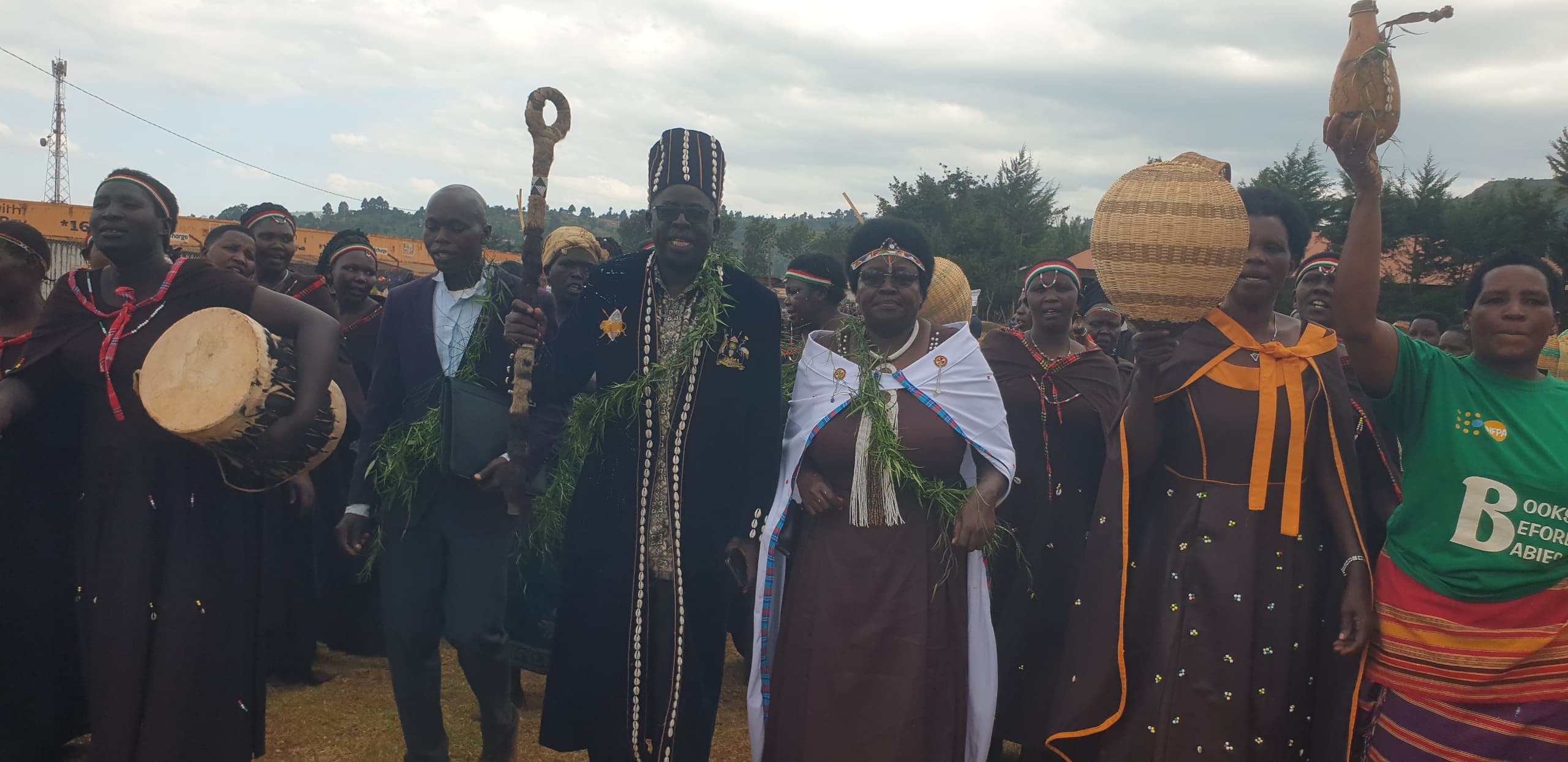
The 30th of November has become a significant day in the cultural history of the Sebei Kingdom. On this day, the community gathered to celebrate the commissioning of the Sapiiny Anthem, a powerful symbol of unity, heritage, and Sabiny identity.
From early morning, elders, youth, cultural groups, and visitors came together in the highlands, filling the atmosphere with pride and excitement. The event reflected the strong bond that continues to unite the Sebei people.
A Message of Unity and Heritage
Although the ceremony was modest, its meaning ran deep. The highlight of the day was an address by His Highness, Cultural King Peter Swilkei. During his speech, he emphasized the importance of protecting Sebei traditions while strengthening unity within the kingdom.
Through his words, the King reminded the community that culture is both a legacy from the past and a guide for future generations.
Traditional Food
Traditional Food and Cultural Expression
As with all Sebei celebrations, traditional food played a central role. Guests were served sour milk, locally known as Kwerionok or Murisk, a symbol of peace, purity, and the blessing of cattle.
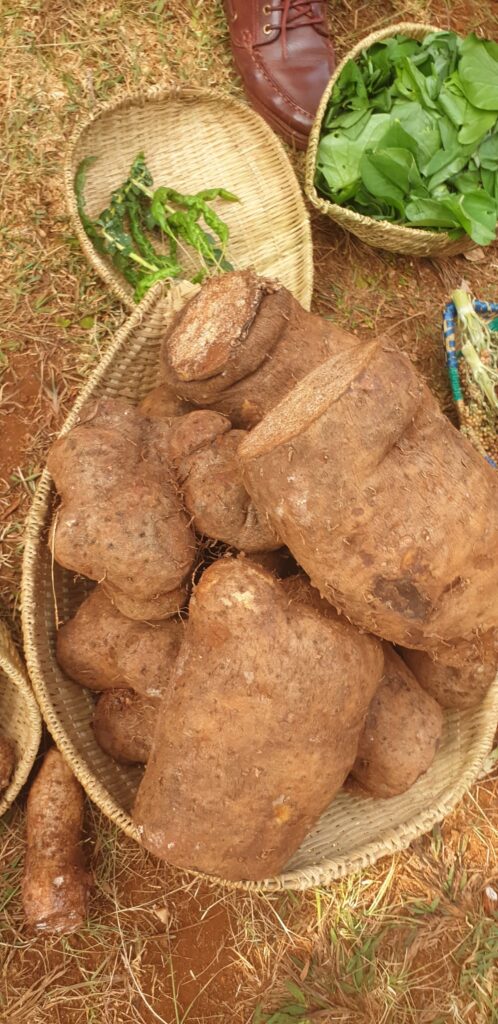
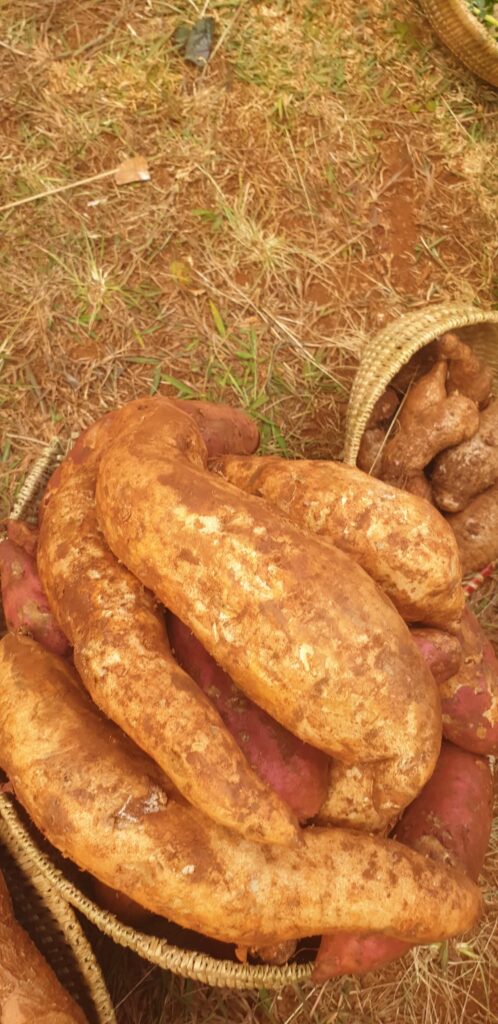
In addition, millet (Bagga), a long-standing staple food, was prepared alongside cassava (Mokkonnik), valued for its reliability, and yams (Musabek), which represent the agricultural roots of the Sebei people.
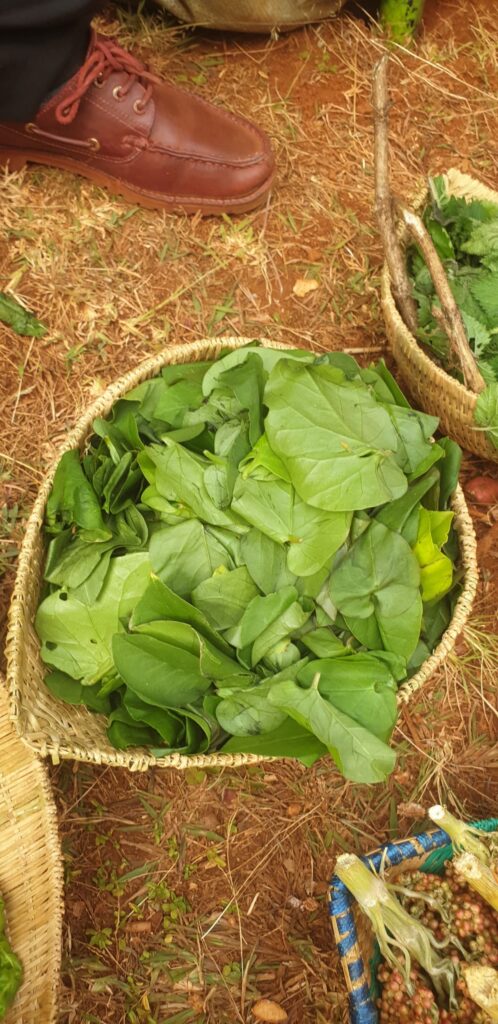
These foods were presented using traditional utensils, including woven baskets, calabashes, clay pots, and leather bags. Together, they offered a visual reminder of the tools that sustained Sebei ancestors for generations.
Preserving Sebei Identity
Beyond the celebration, the event encouraged reflection on what defines the Sebei Kingdom. Its identity is deeply rooted in the Mount Elgon highlands, a pastoral lifestyle centered on cattle, the wisdom of elders, and oral traditions shared through stories, songs, and customs.
For this reason, the commissioning of the Sapiiny Anthem marked more than a cultural ceremony. It affirmed that Sebei identity remains alive, respected, and relevant in the modern world.
A Day to Remember
When the anthem was performed for the first time, its melody carried memories of the past and hope for the future. From now on, the 30th of November stands as a day of pride for the Sebei Kingdom—a moment when the community came together to celebrate its roots, its unity, and its enduring legacy.